
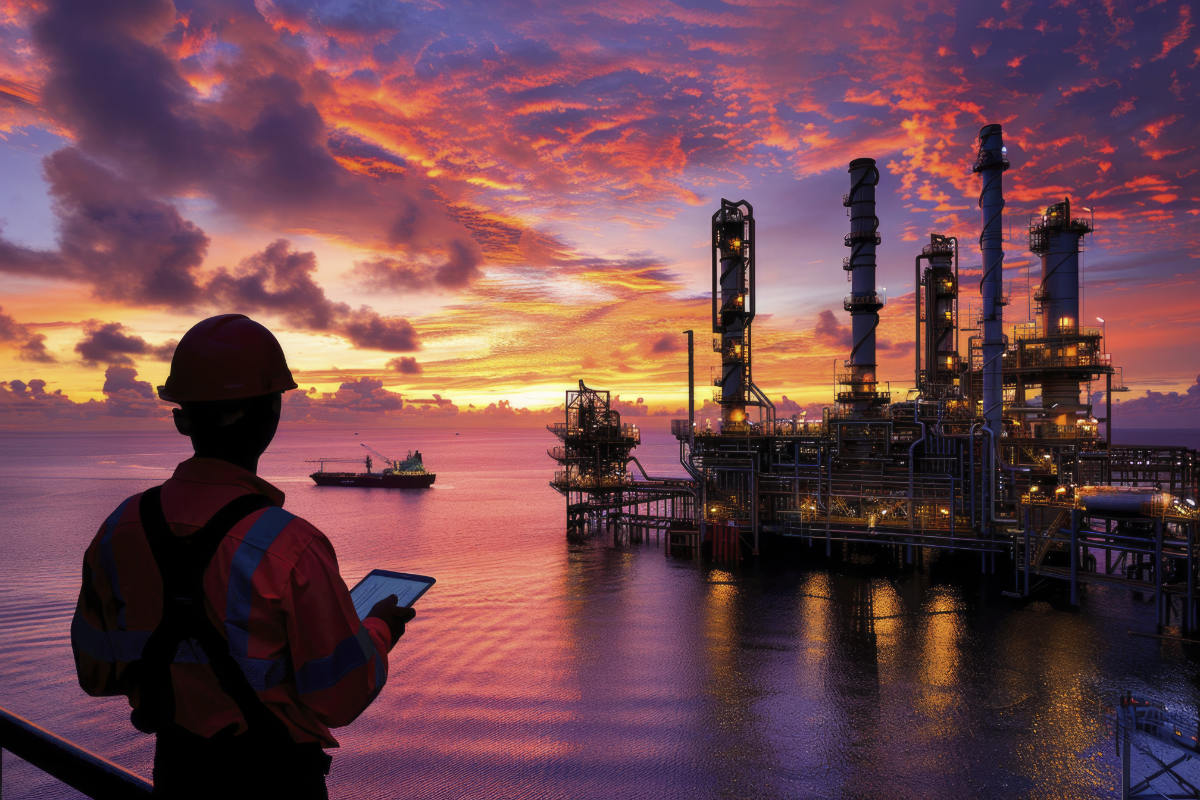

Marine Fuel Alternatives
As the maritime industry investigates ways to decarbonise, several marine fuel alternatives are promising to reduce operational emissions. But with green ammonia and LNG limited by prohibitively high costs, lack of infrastructure, and safety concerns, could HVO offer the perfect short-term solution?
- Home
- Marine Fuel
- Article
The UK’s maritime industry is under pressure to make progress towards net zero. Port authorities, harbour masters, and vessel operators are all facing calls to reduce carbon emissions from regulators, who are implementing schemes like the UK Emissions Trading Scheme (ETS); from clients, who need to have greener supply chains; and from the public, who are acutely aware of the climate crisis.
With demands to decarbonise coming from every angle, the question being posed to the marine sector is not do you need to reduce emissions but how quickly will you do it.
Marine fuel is the logical place to start due to the emissions it generates and the fact that more sustainable alternatives are already available.
There are two alternatives that are being hailed as the marine fuels of the future: green ammonia and liquified natural gas (LNG). Green ammonia is made up of nitrogen and hydrogen, both abundant elements on Earth. To produce it, electrolysers powered by renewable energy are used to split hydrogen from water, which is then fed into a reactor alongside nitrogen. A catalyst encourages the hydrogen and nitrogen to bond, producing liquid ammonia.
LNG is derived from another abundant element: natural gas. The gas, which is largely made up of methane, is cooled to -162° C so that it becomes a liquid. It can then be shipped safely around the world in specially designed vessels and stored in insulated tanks, ready for use.
Both green ammonia and LNG emit less carbon dioxide than standard marine fuels and will play an essential role in decarbonising deep-sea shipping – but they’re not a quick fix. In fact, for most UK port and coastal operations, these alternative marine fuels will only become a feasible option in the distant future due to their high costs and limited supply. Currently, they aren’t a viable solution for the vessels and machinery that keeps the UK maritime economy afloat including tugs, pilot boats, crew transfer vessels, and shoreside machinery.
However, the good news is that there’s a powerful, proven, and practical marine fuel alternative that is readily available. Adopting it could allow the UK’s maritime operators to start decarbonising today.
The fuel? Hydrotreated Vegetable Oil (HVO).
Preparing Your Operation for the Fuels of the Future
While LNG and green ammonia are considered the gold-standard for alternative marine fuels, there are three important factors operators must evaluate when deciding whether they present a practical solution for rapid decarbonisation, especially in the short term.
Cost
When weighing up the impact marine fuel alternatives will have on your fleet, the total cost of ownership will likely be the most important metric to consider. Switching to a more sustainable fuel that cripples you financially won’t benefit anyone.
Unfortunately, readying your fleet to run on green ammonia or LNG isn’t cheap. That’s because these fuels aren’t a straightforward swap, operators would need to commission compatible new vessels or undertake multimillion pound engine and tank retrofits on their entire fleet. This capital expenditure is, understandably, beyond the reach of most UK operators.
Retrofits are also complex, time-consuming projects that can have a knock-on effect on your productivity and profit margins. They can also negatively impact the lifespan of your vessels and their future resale value.
Infrastructure
It’s not only your vessels that would need to be adapted to run on green ammonia or LNG, but the surrounding infrastructure also must be updated to ensure smooth and seamless operations. Currently, no UK ports have the land-side infrastructure in place to store and bunker ammonia and LNG at scale.
Putting this infrastructure in place would mean finding investment for specialised – typically cryogenic or toxic – fuel storage facilities. These aren’t easy to construct as they require significant land-use planning, complex environmental permits, and adaptations to ensure they adhere to new safety regulations from the Health & Safety Executive (HSE) and the Maritime and Coastguard Agency (MCA).
Operational Risks
While they can help marine operators lower their emissions, it’s important to note that green ammonia and LNG aren’t risk free fuels. In fact, ammonia is highly toxic and any operator looking to use it in their vessels will need to invest heavily in crew training while following extensive safety protocols to prevent life-threatening incidents.
There’s also an environmental risk with ammonia known as ammonia slip. This is when unburnt, toxic gas is released into the atmosphere, causing harm to sensitive marine ecosystems, and offsetting the benefits of minimal or no carbon emissions.
Taking all these factors into consideration, it’s easy to see why HVO, rather than ammonia or LNG, has been embraced as the most viable solution to maritime decarbonisation currently on the market.
Start Your Decarbonisation Journey in the Time it Takes to Refuel
A Drop-In Option
Arguably HVO’s single greatest advantage is that it is a direct substitute for conventional diesel. 100% compatible with your existing vessels, HVO allows you to switch your entire fleet overnight with no operational disruption or capital expenditure needed. No new engines, no new tanks, and no new training required. It entirely bypasses the total cost of ownership and infrastructure barriers presented by future fuels.
Instant Impact
For operators looking to start reporting a reduction in their CO2 emissions as soon as possible, HVO is proven to cut net emissions by up to 90% on a well-to-wake basis. Prema HVO is sourced from certified sustainable feedstocks, a readily available source that doesn’t impact food stocks in any way. Not only will switching to HVO immediately reduce your operational emissions, but it’s especially well-suited to urban ports as it can dramatically improve local air quality by curbing particulate matter and NOx emissions.
A Flexible First Step
Perfection should never be an obstacle to progress. A great way to start your sustainable journey is to invest in Prema’s HVO30. This innovative HVO blend combines 30% HVO with conventional marine diesel, reducing net CO2 emissions by nearly 30%. It’s a local cost option with zero risk that you can use as proof of concept while making emissions saving straightaway.
With decarbonisation of the marine industry growing in importance, the UK has an opportunity to lead the world in green fuel production. Green ammonia and LNG are potentially very exciting fuel alternatives that could dramatically reduce the sector’s emissions in the coming decades. But these are fuels of the future and, in the here and now, pollution will continue to be a problem as the industry waits for these alternatives to be affordable and accessible enough to use.
HVO is a powerful, pragmatic alternative that’s ready to use right now. Operators can trust HVO to instantly curb emissions without changing their fleet or investing in new infrastructure. Don’t wait decades to start working towards your emissions targets, progress can start with your next fuel delivery!
Ready to see how easily your fleet can make the switch? Contact our team for a no-obligation analysis and learn about the benefits of HVO for your operations.
